Model News
Future Cars: Honda Ridgeline Will Face Its Toughest Challenge Yet In 2029
Can the next generation of Honda's unibody truck shake off the fragile image?
Your complete Ridgeline answer center — every question buyers ask, from price and trims to safety and ownership, answered from verified data and organized so you can find it fast.
Browse questionsEverything buyers ask about the Ridgeline — searchable, organized, and answered from verified data.
22 questions
Our buyer's guide rates it: Buy.
The 2026 Ridgeline pairs a unibody crew-cab design with standard AWD and a 280-hp V-6 on every trim, aiming at buyers who want truck utility without body-on-frame compromises.
The Ridgeline ranges from $40,795 (Sport) to $47,895 (Black Edition Two-Tone) across 6 trims.
The Ridgeline ranges from $40,795 (Sport) to $47,895 (Black Edition Two-Tone) across 6 trims. Prices are starting MSRP and exclude taxes and fees.
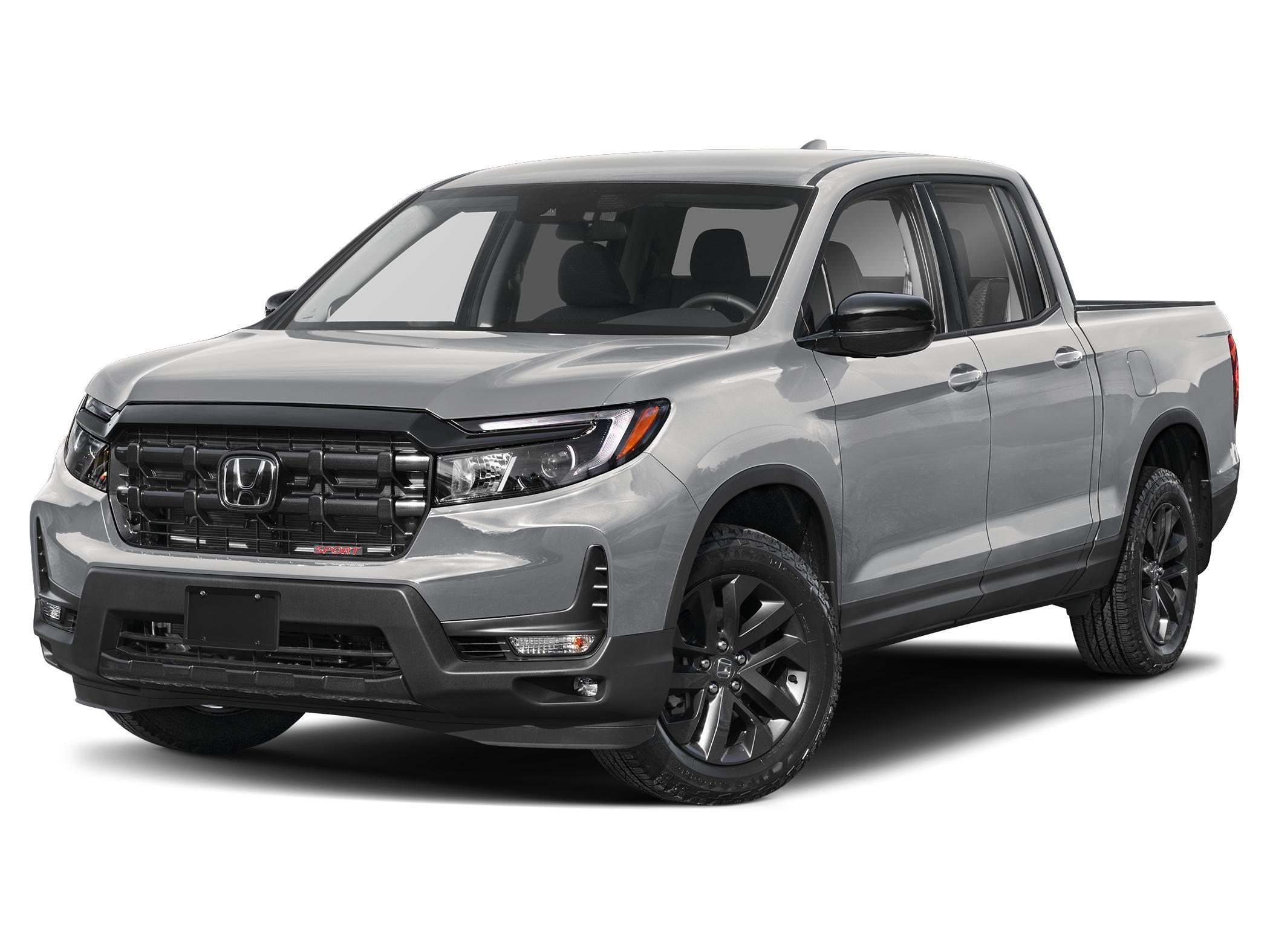
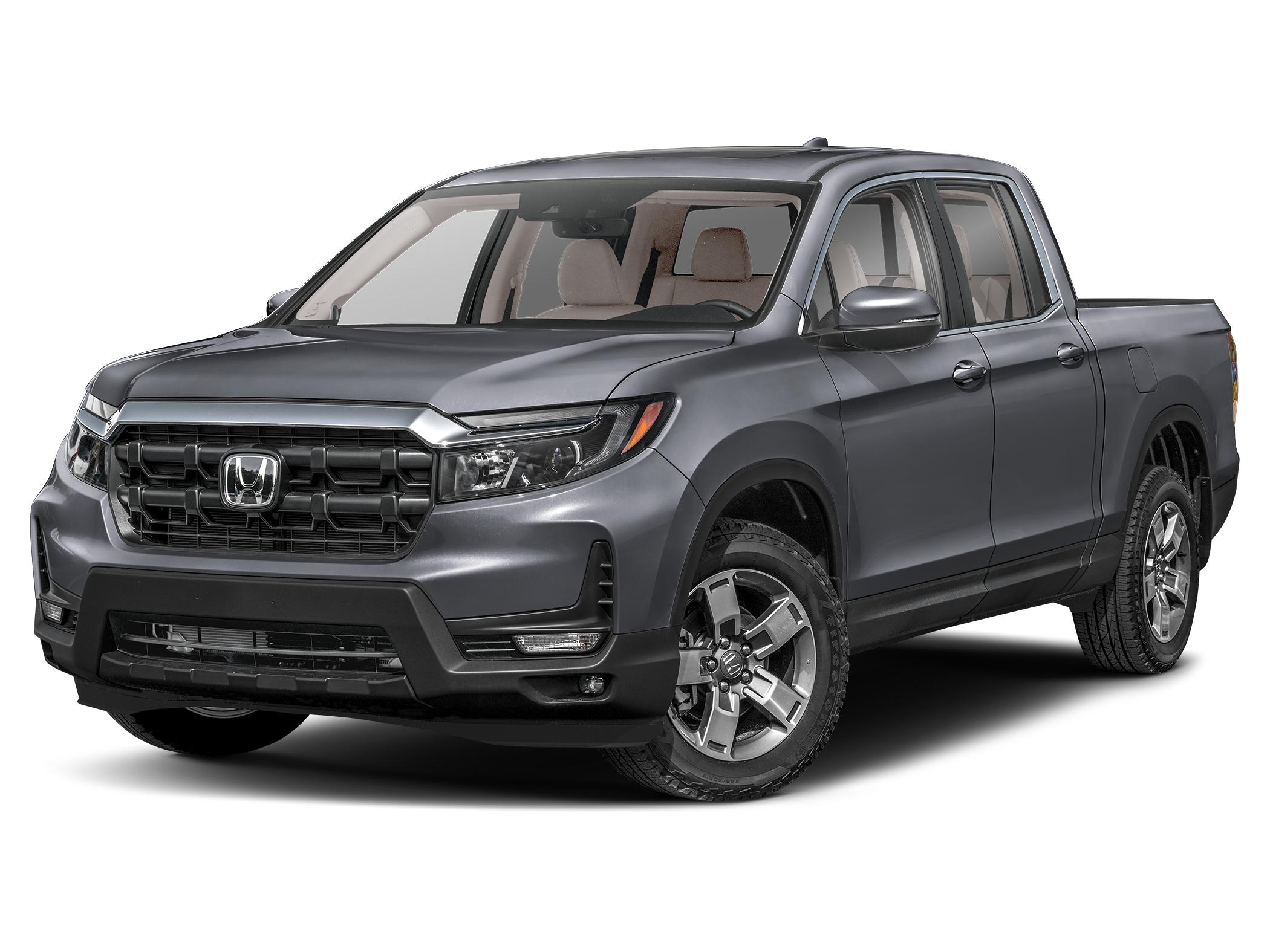
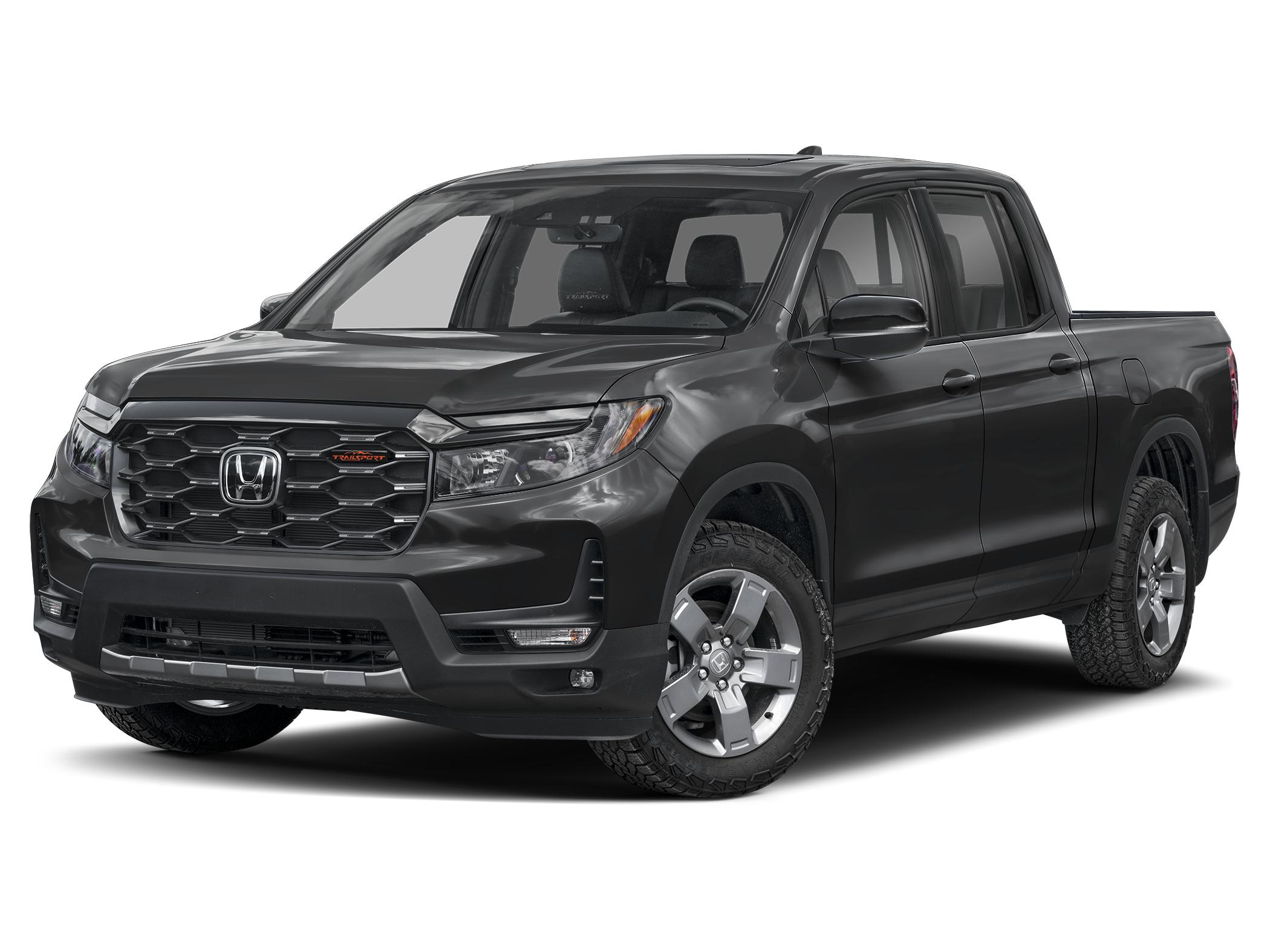
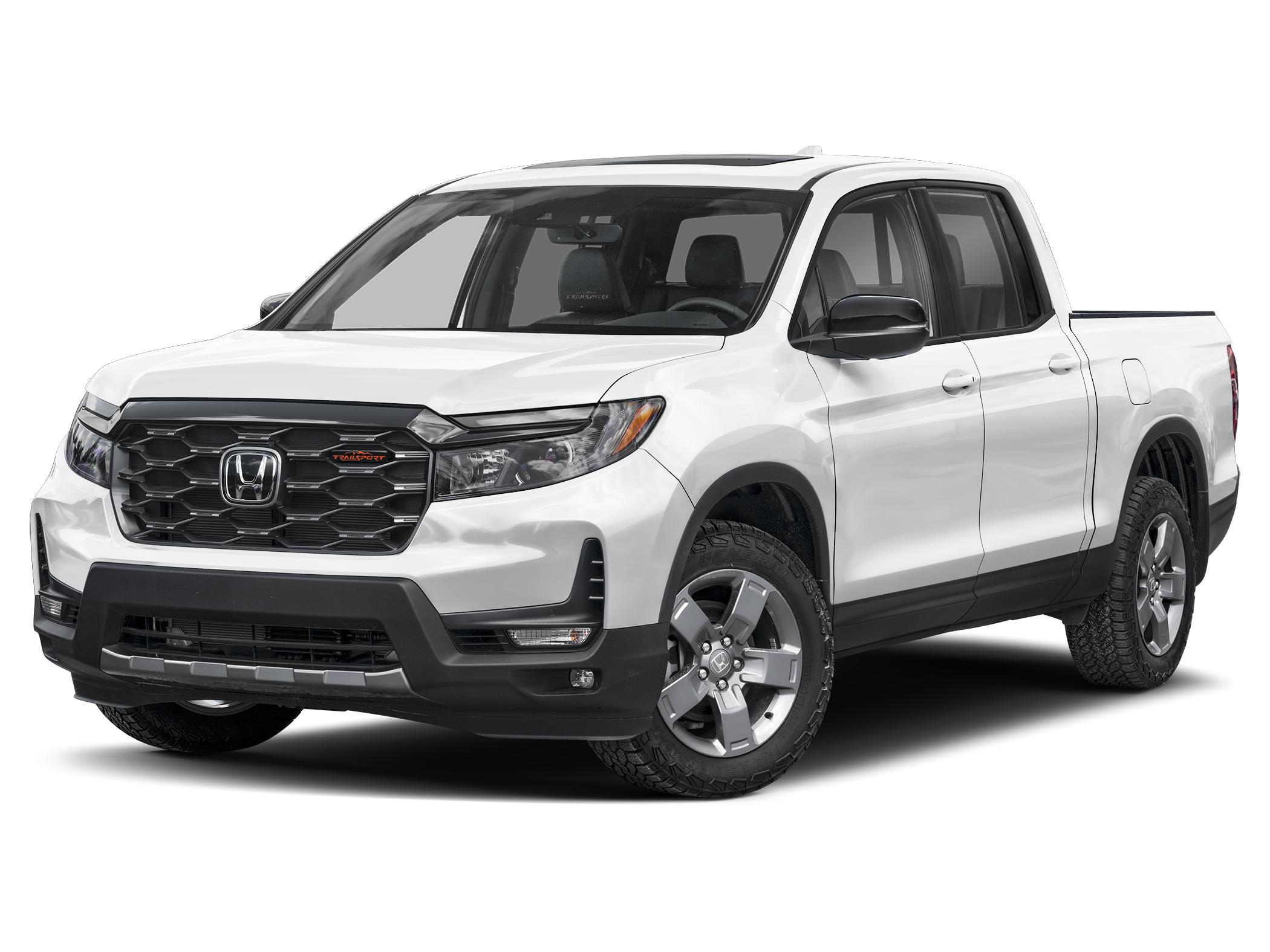
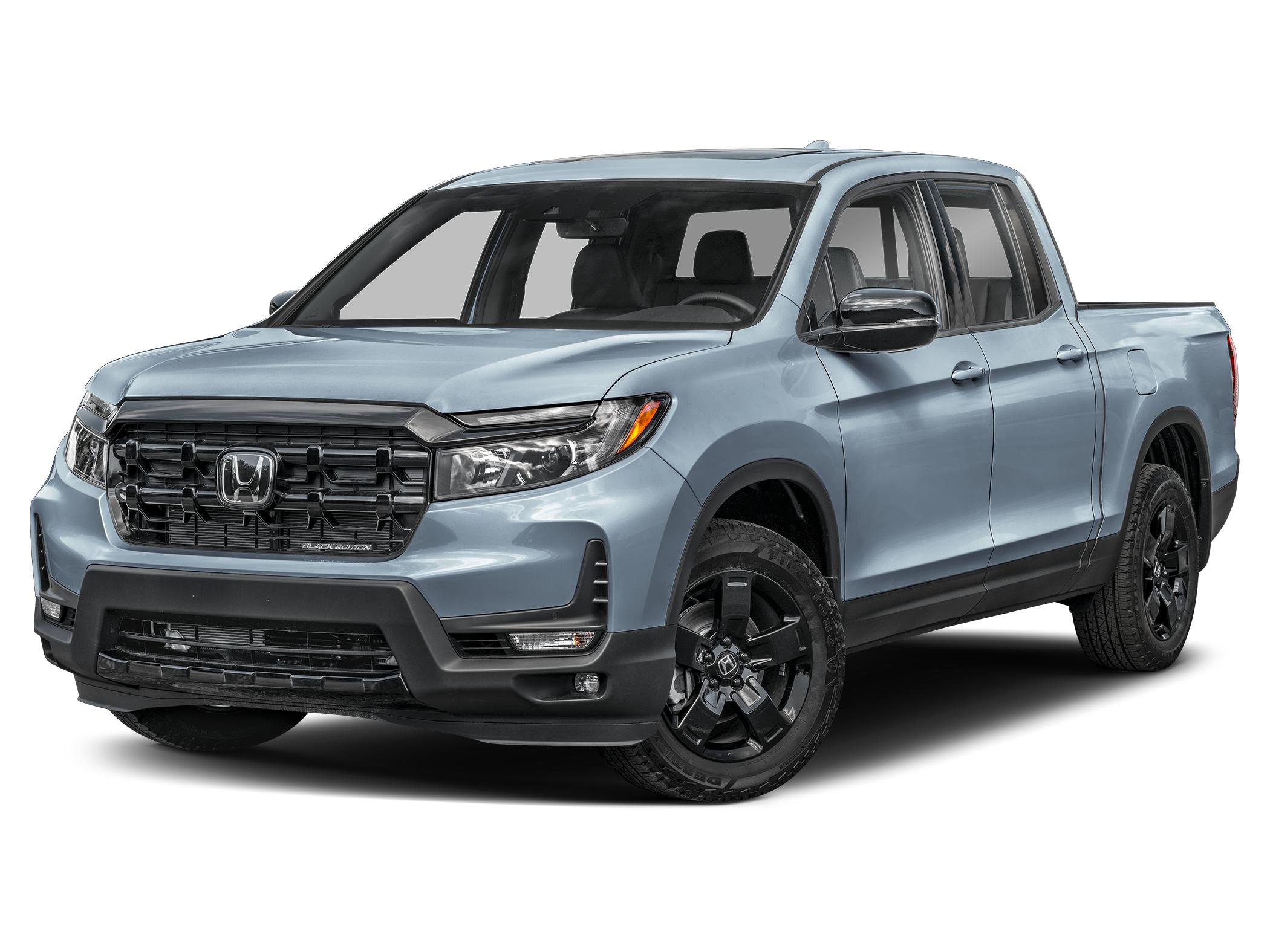
The Ridgeline comes in 6 trims: Sport, RTL, TrailSport, TrailSport+, Black Edition, Black Edition Two-Tone.
The Ridgeline is offered in 6 trims (Sport, RTL, TrailSport, TrailSport+, Black Edition, Black Edition Two-Tone). Higher trims layer on equipment and features; see the trim comparison for exactly what each one adds.
The RTL at $43,595 is the sweet spot for most buyers — it steps up meaningfully from the Sport's $40,795 entry price while stopping well short of the TrailSport and Black Edition territory, and it shares the same 21 MPG combined rating as the Sport.
Every Ridgeline in the lineup uses a 3.
Every Ridgeline in the lineup uses a 3.5-liter V-6 making 280 hp and 262 lb-ft of torque, paired with a 9-speed automatic and standard AWD — there are no rear-wheel-drive or four-cylinder options.
Both share the same 280 hp V-6, AWD, and 20 MPG combined rating, with the TrailSport+ priced $1,200 higher at $47,195 versus $45,995 — the specific feature additions that justify the premium aren't detailed in the available specs, so it's worth comparing equipment lists at the dealer.
The Black Edition Two-Tone costs $500 more ($47,895 vs.
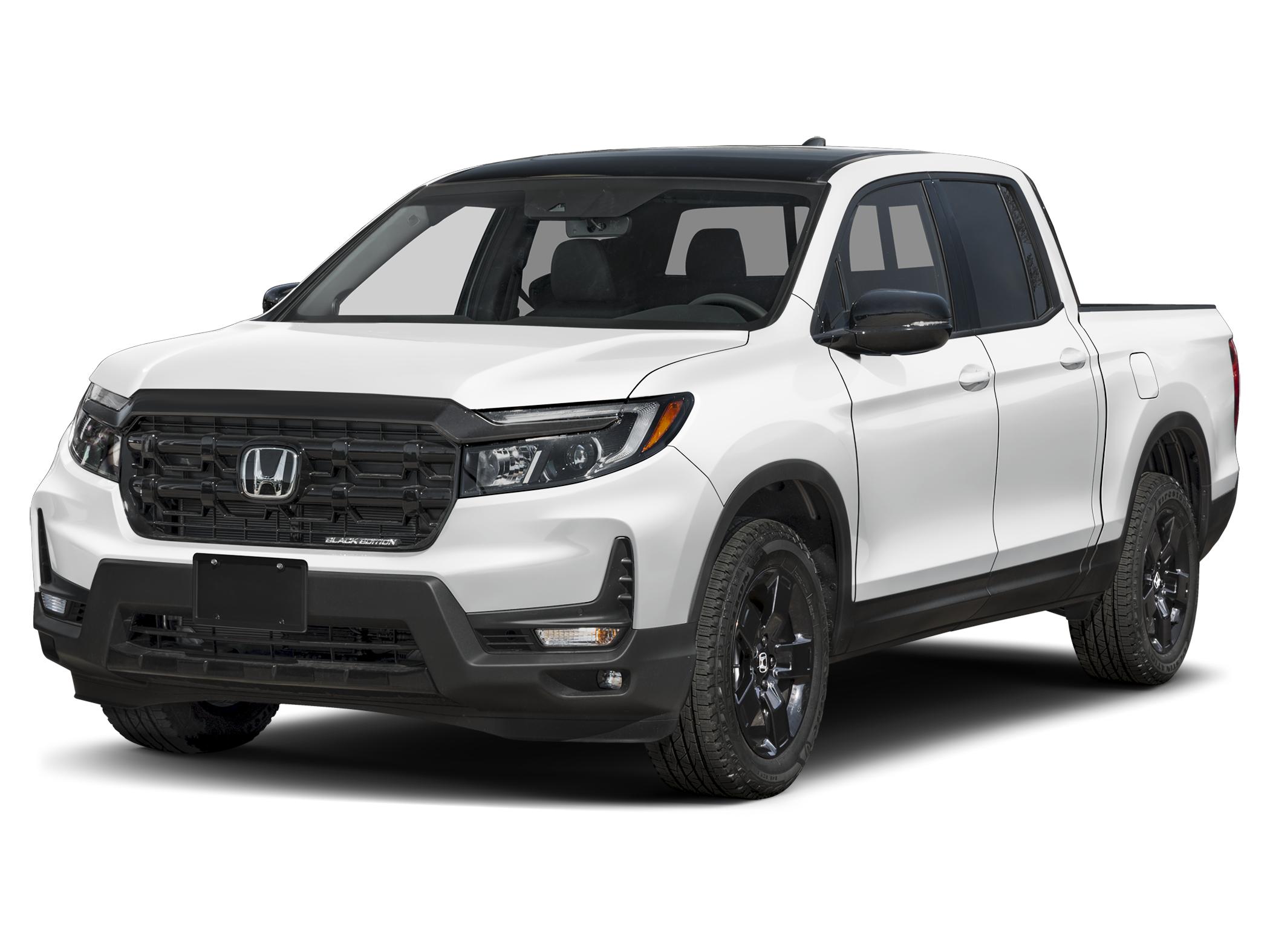
The Black Edition Two-Tone costs $500 more ($47,895 vs. $47,395) and, as the name suggests, adds a two-tone exterior treatment; both trims share identical powertrain specs and a 21 MPG combined rating.
The Ridgeline's unibody construction, standard AWD, and car-like 21 MPG combined (Sport/RTL) make it genuinely comfortable as a daily driver in a way that body-on-frame trucks typically aren't, while the 33.
The Ridgeline's unibody construction, standard AWD, and car-like 21 MPG combined (Sport/RTL) make it genuinely comfortable as a daily driver in a way that body-on-frame trucks typically aren't, while the 33.9 cu ft of cargo space and V-6 power handle light-to-moderate hauling duties without issue.
Yes — 18-inch wheels is standard on every Ridgeline trim.
The diameter of the wheels fitted to the car. Larger wheels change the stance; smaller wheels tend to ride more comfortably. Yes — 18-inch wheels is standard on every Ridgeline trim.
Yes — 280 horsepower is standard on every Ridgeline trim.
Peak power the engine — or, on a hybrid, the combined system — can produce. More horsepower generally means easier merging, passing, and confident acceleration. Yes — 280 horsepower is standard on every Ridgeline trim.
Yes — 9-Speed Automatic is standard on every Ridgeline trim.
How the engine's power is geared and delivered to the wheels. It shapes how the car responds when you accelerate and how it settles at a cruise. Yes — 9-Speed Automatic is standard on every Ridgeline trim.
Yes — All Wheel Drive is standard on every Ridgeline trim.
Which wheels the engine actually drives. It affects traction, cabin packaging, and confidence in poor weather. Yes — All Wheel Drive is standard on every Ridgeline trim.
Yes — the TrailSport and TrailSport+ both return 20 MPG combined and 23 MPG highway, while the Sport, RTL, Black Edition, and Black Edition Two-Tone all achieve 21 MPG combined and 24 MPG highway, likely due to different wheel and tire packages on the trail-oriented trims.
Yes — Seating for 5 is standard on every Ridgeline trim.
How many occupants the cabin is designed to seat. It determines whether the whole family or carpool rides comfortably. Yes — Seating for 5 is standard on every Ridgeline trim.
The available facts confirm 33.
The available facts confirm 33.9 cubic feet of cargo volume across all trims, but a precise breakdown of in-bed trunk versus bed capacity specifically isn't available in the provided specs — the 33.9 cu ft figure reflects the Ridgeline's total cargo capacity.
Yes — 33.9 cu-ft of cargo space is standard on every Ridgeline trim.
How much the trunk holds with the rear seats up. It sets how much luggage, gear, or groceries you can carry. Yes — 33.9 cu-ft of cargo space is standard on every Ridgeline trim.
No open recall campaigns are currently listed for the Ridgeline.
No open recall campaigns are currently listed for the Ridgeline. Recall data comes from NHTSA; check the recall center for the latest campaigns and remedies.
See our full breakdown: Ridgeline vs tacoma.
We have a detailed side-by-side comparison — Ridgeline vs tacoma — covering price, fuel economy, space, and features.
See our full breakdown: Ridgeline vs Canyon.
We have a detailed side-by-side comparison — Ridgeline vs Canyon — covering price, fuel economy, space, and features.
See our full breakdown: Ridgeline vs Santa Cruz.
We have a detailed side-by-side comparison — Ridgeline vs Santa Cruz — covering price, fuel economy, space, and features.
See our full breakdown: Ridgeline vs Gladiator.
We have a detailed side-by-side comparison — Ridgeline vs Gladiator — covering price, fuel economy, space, and features.
See our full breakdown: Ridgeline vs Colorado.
We have a detailed side-by-side comparison — Ridgeline vs Colorado — covering price, fuel economy, space, and features.
No questions match that search
Try a broader term — or pick a topic above to browse.