Features & technology

Ridgeline Features

Everything the Ridgeline offers — technology, safety, and comfort — explained in plain language, with the trims that include each feature. The definitive guide before you choose a trim.

Browse features by category
The complete feature guide

What this vehicle offers

Explore everything the Ridgeline offers, grouped by category. Each feature shows which trims include it.

7verified features
4categories
7standard lineup-wide
Highlights

Standout features

The strongest verified features across the lineup — at a glance, before the category breakdowns.
Cargo
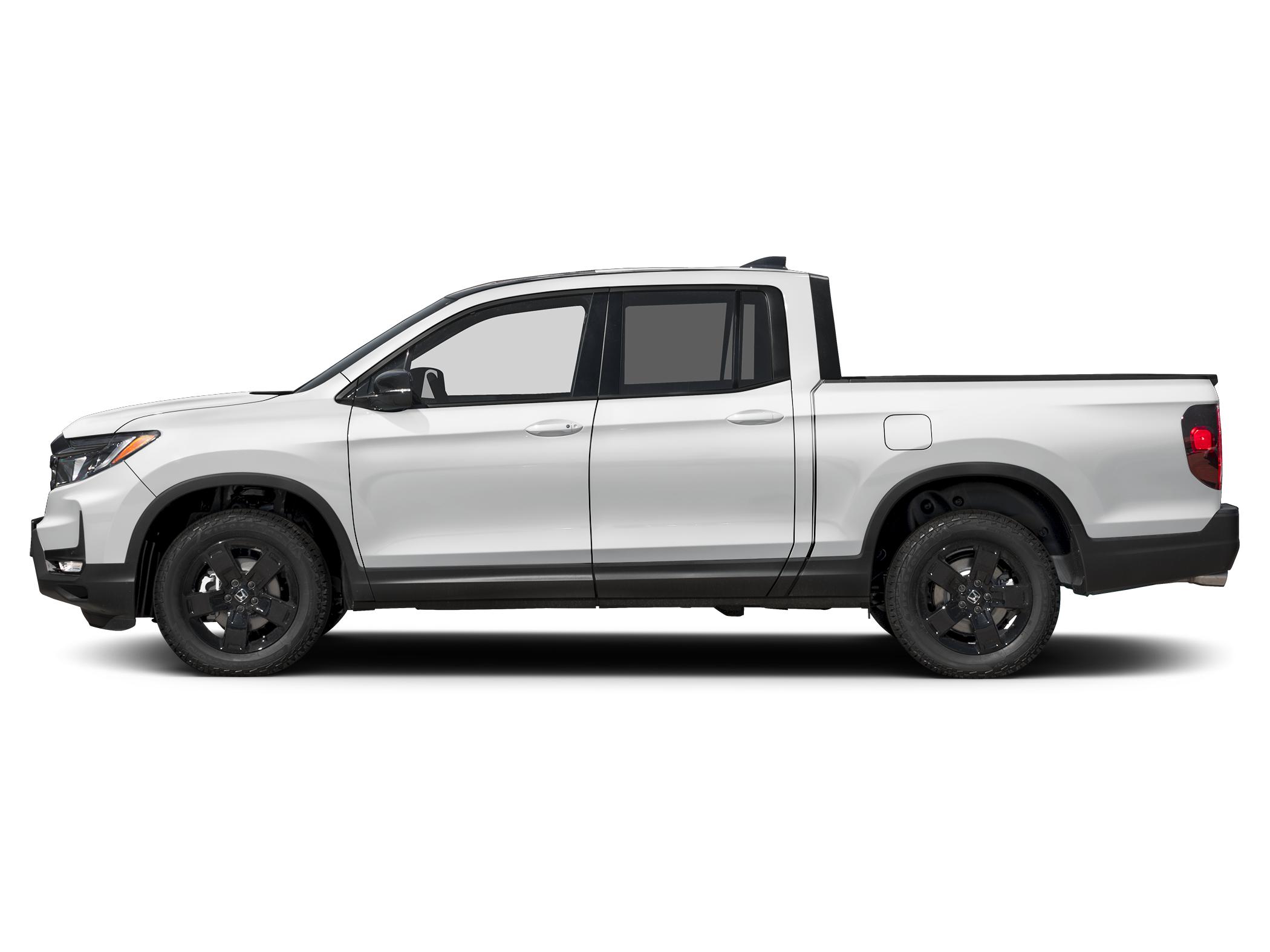
33.9 cu-ft of cargo space
How much the trunk holds with the rear seats up.
Why it matters It sets how much luggage, gear, or groceries you can carry.
Standard
Exterior
18-inch wheels
The diameter of the wheels fitted to the car.
Why it matters Larger wheels change the stance; smaller wheels tend to ride more comfortably.
Standard
Interior
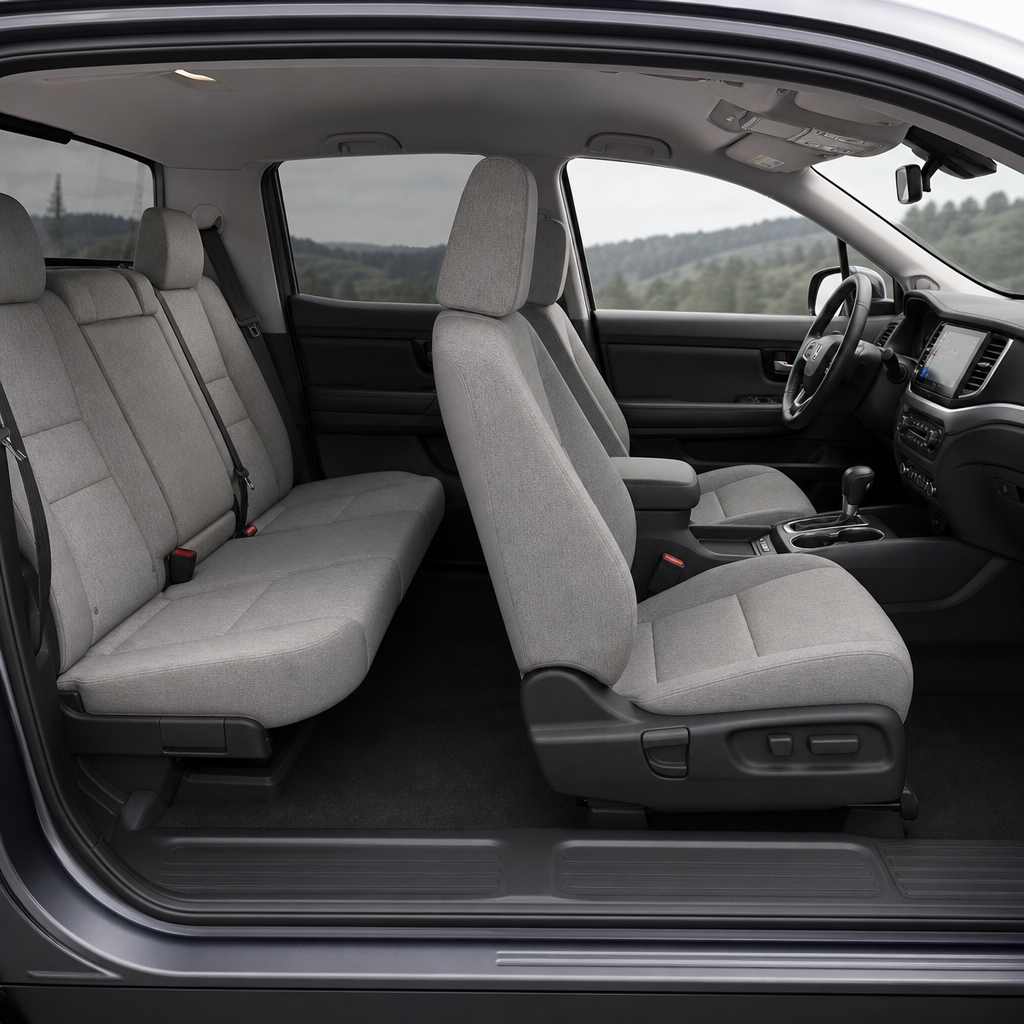
Seating for 5
How many occupants the cabin is designed to seat.
Why it matters It determines whether the whole family or carpool rides comfortably.
Standard
Performance
Regular Gasoline V-6
The engine and its basic layout — displacement, cylinder count, and whether it is turbocharged.
Why it matters It sets how the car accelerates and how it feels to drive every day.
Standard
Performance
280 horsepower
Peak power the engine — or, on a hybrid, the combined system — can produce.
Why it matters More horsepower generally means easier merging, passing, and confident acceleration.
Standard
Performance
9-Speed Automatic
How the engine's power is geared and delivered to the wheels.
Why it matters It shapes how the car responds when you accelerate and how it settles at a cruise.
Standard
Performance
All Wheel Drive
Which wheels the engine actually drives.
Why it matters It affects traction, cabin packaging, and confidence in poor weather.
Standard
Technology Equipment data pending. Feature-level availability for infotainment, displays, and smartphone integration requires a structured equipment feed — these appear here, with the trims that include each one, once the approved feed is connected.
Safety Equipment data pending. Feature-level availability for driver assistance and active safety systems requires a structured equipment feed — these appear here, with the trims that include each one, once the approved feed is connected.
Performance
Features

Performance

Powertrain, drivetrain, and dynamics.

280 horsepower
Peak power the engine — or, on a hybrid, the combined system — can produce.
Why it matters More horsepower generally means easier merging, passing, and confident acceleration.
Standard
9-Speed Automatic
How the engine's power is geared and delivered to the wheels.
Why it matters It shapes how the car responds when you accelerate and how it settles at a cruise.
Standard
All Wheel Drive
Which wheels the engine actually drives.
Why it matters It affects traction, cabin packaging, and confidence in poor weather.
Standard
Regular Gasoline V-6
The engine and its basic layout — displacement, cylinder count, and whether it is turbocharged.
Why it matters It sets how the car accelerates and how it feels to drive every day.
Standard
Features

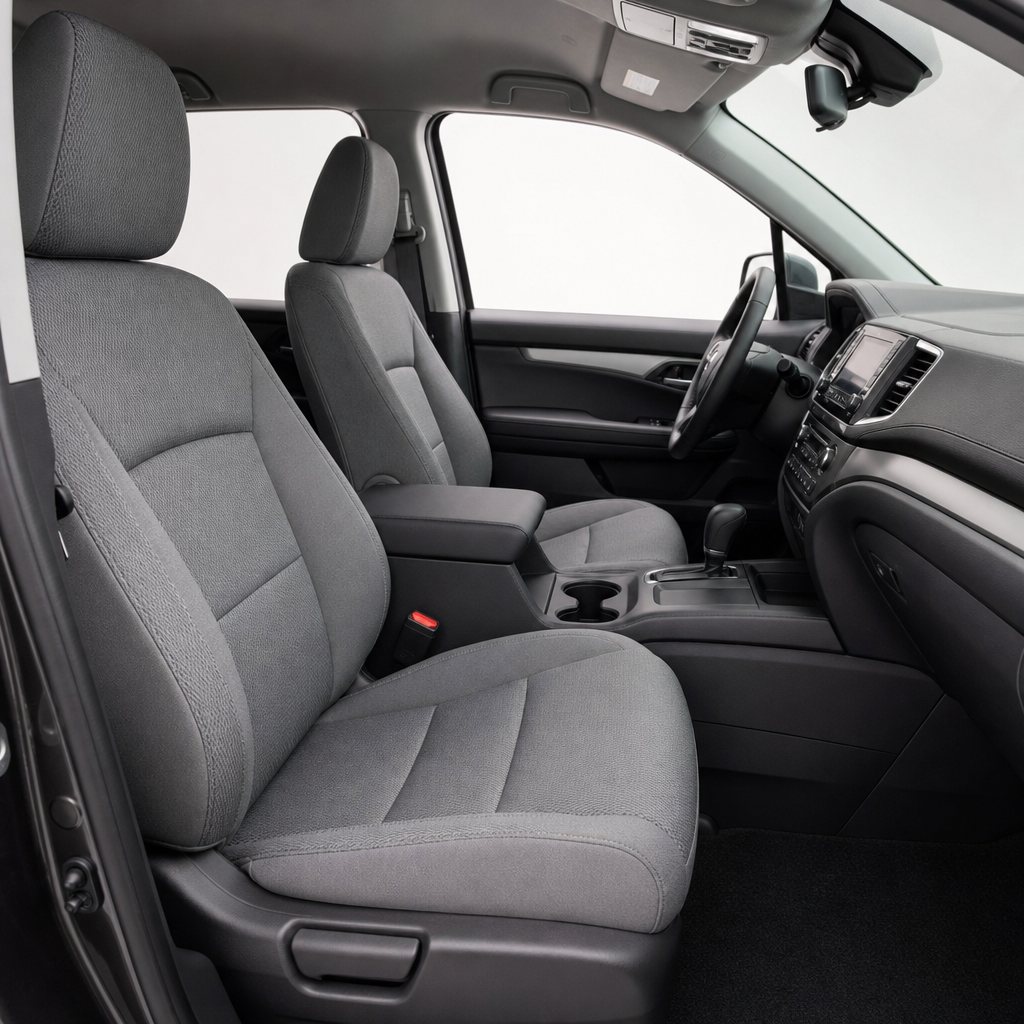
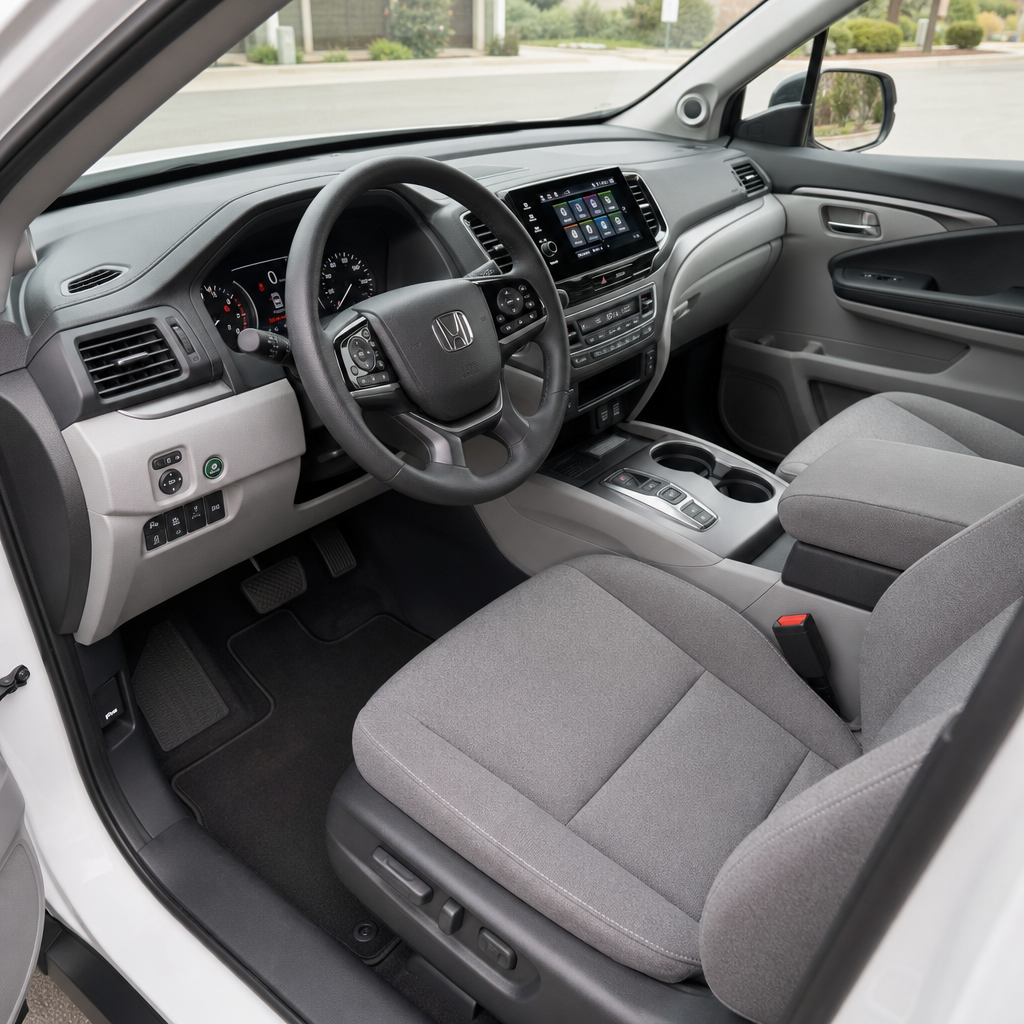
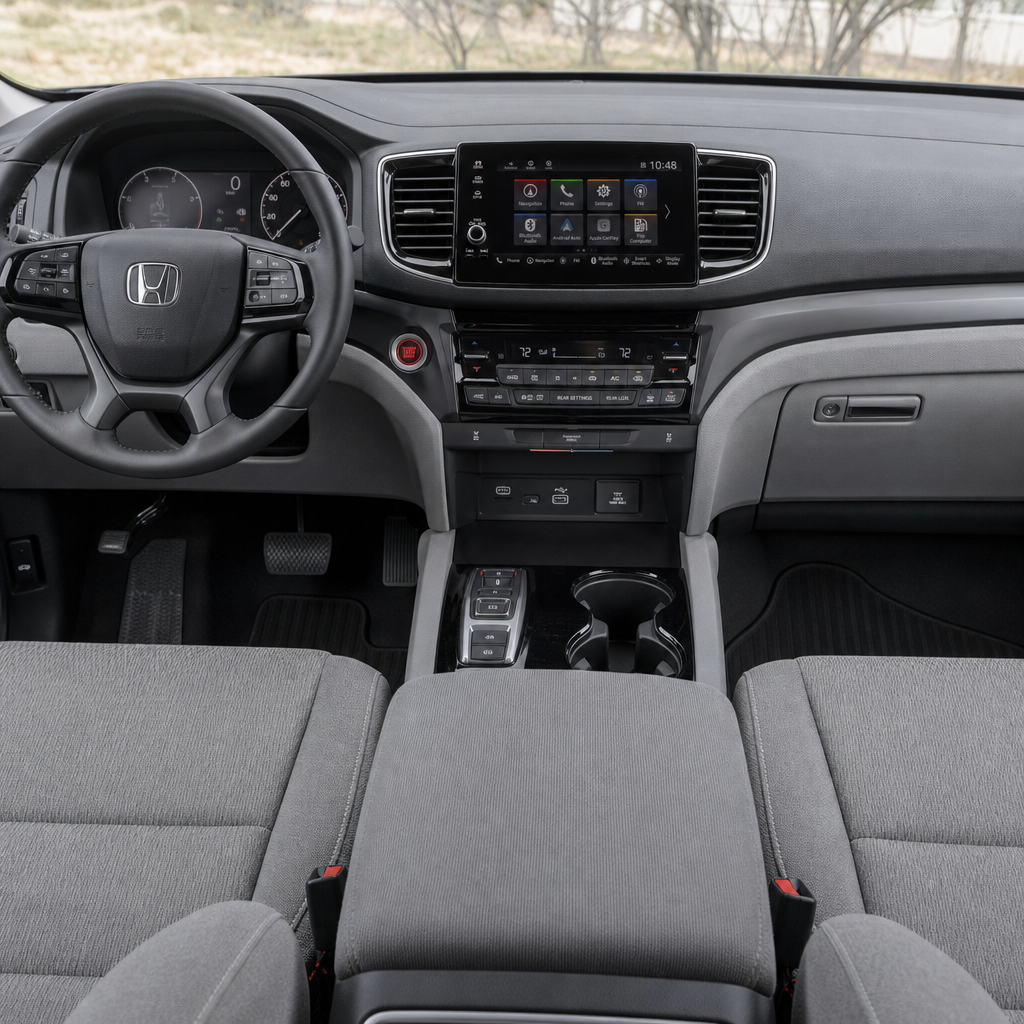
Interior

Seating, materials, and cabin appointments.
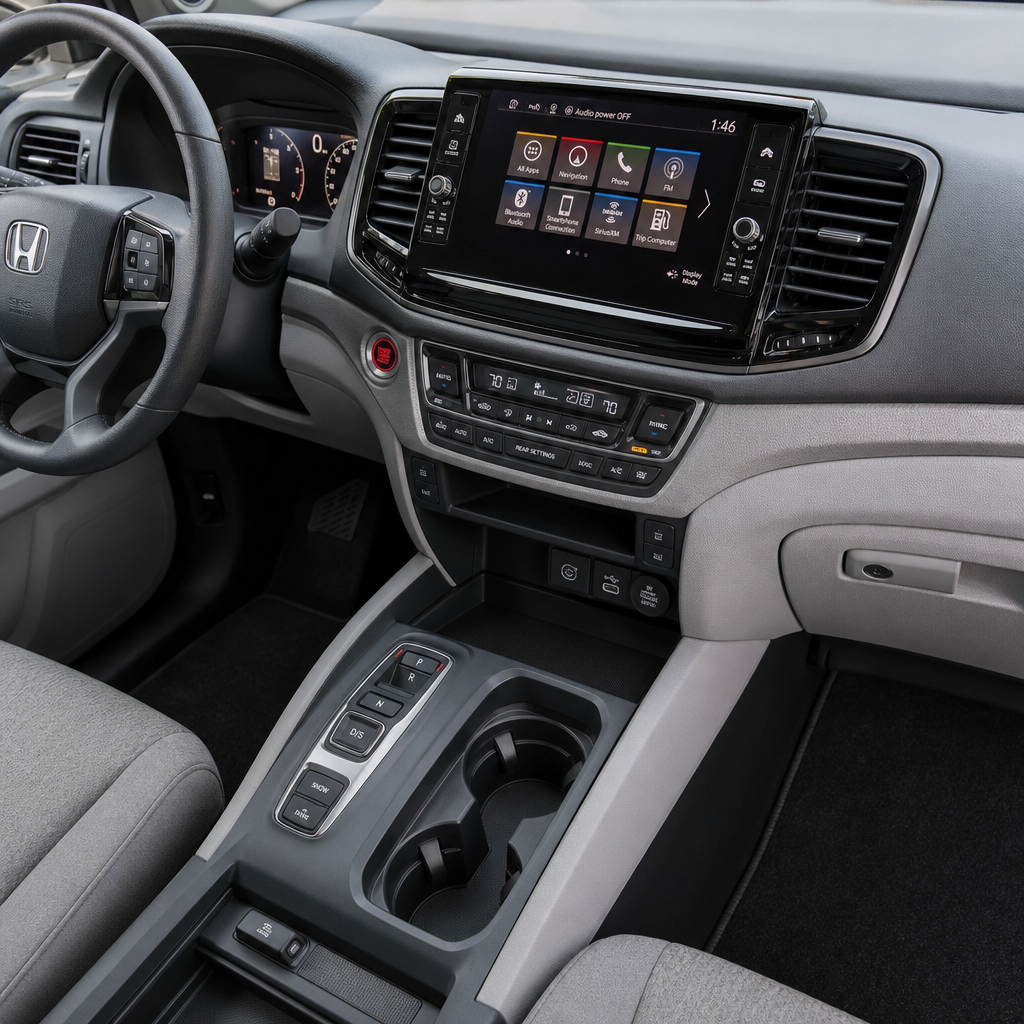
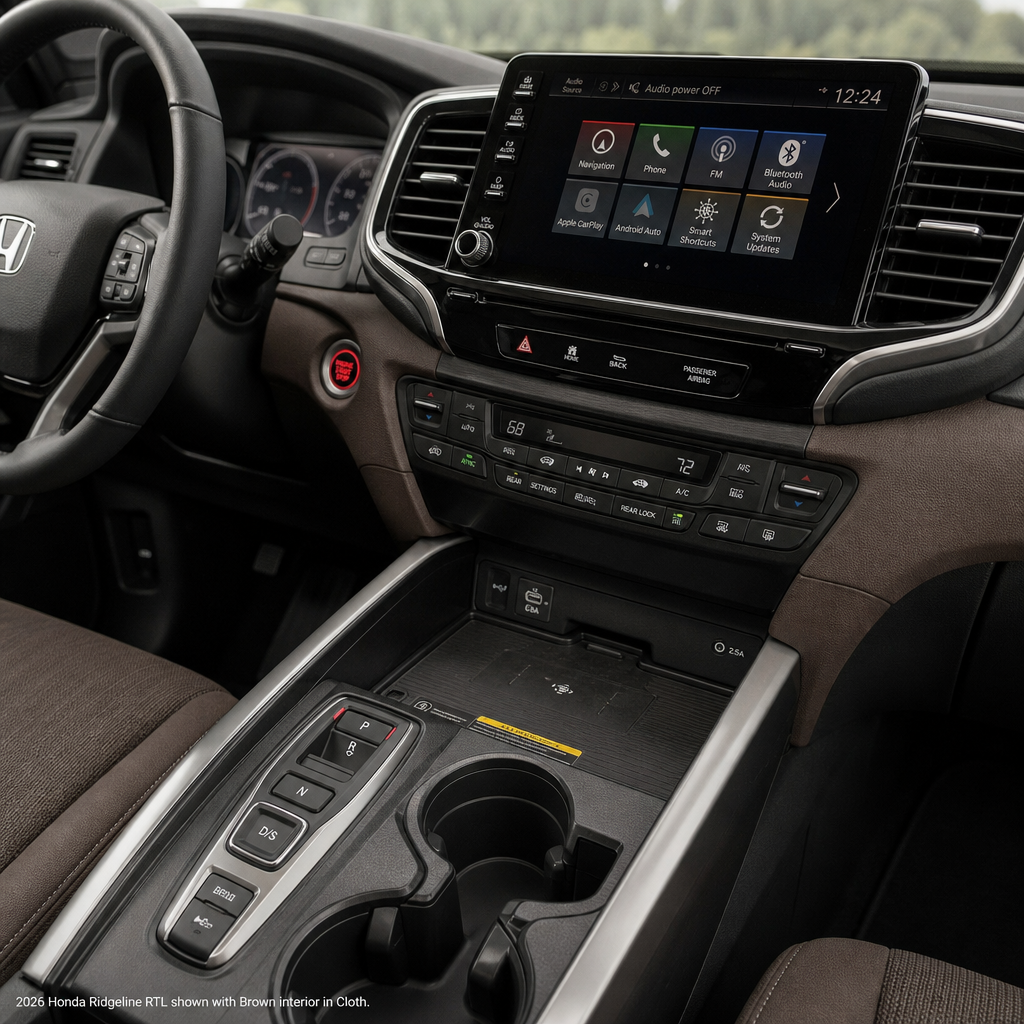
InteriorInteriorInteriorInteriorInteriorInterior
Seating for 5
How many occupants the cabin is designed to seat.
Why it matters It determines whether the whole family or carpool rides comfortably.
Standard
Exterior
Features

Exterior

Styling, lighting, and wheels.

18-inch wheels
The diameter of the wheels fitted to the car.
Why it matters Larger wheels change the stance; smaller wheels tend to ride more comfortably.
Standard
Comfort Equipment data pending. Feature-level availability for seating comfort, climate, and convenience equipment requires a structured equipment feed — these appear here, with the trims that include each one, once the approved feed is connected.
Did you know?

Tech keeps trickling down

Features once reserved for luxury cars — wireless smartphone integration, adaptive cruise, blind-spot monitoring — are increasingly standard on mainstream sedans. Check each trim's equipment to see where the line falls.

Connectivity Equipment data pending. Feature-level availability for wireless connectivity and onboard services requires a structured equipment feed — these appear here, with the trims that include each one, once the approved feed is connected.
Cargo
Features

Cargo

Storage, loading, and versatility.

33.9 cu-ft of cargo space
How much the trunk holds with the rear seats up.
Why it matters It sets how much luggage, gear, or groceries you can carry.
Standard
Hybrid Equipment data pending. Feature-level availability for equipment-level features requires a structured equipment feed — these appear here, with the trims that include each one, once the approved feed is connected.
Availability

How features change across the lineup

A quick read on what every trim shares and what each trim group adds — the full feature-by-trim detail lives in the trim comparison.

Shared across the lineup
Every trim (6)
18-inch wheels · 280 horsepower · 33.9 cu-ft of cargo space · 9-Speed Automatic · All Wheel Drive +2 more

Optional and package-controlled equipment is tracked per trim in our catalog and varies by configuration — see the trim comparison for the full feature-by-trim breakdown rather than a row-by-row list here.

The lineup

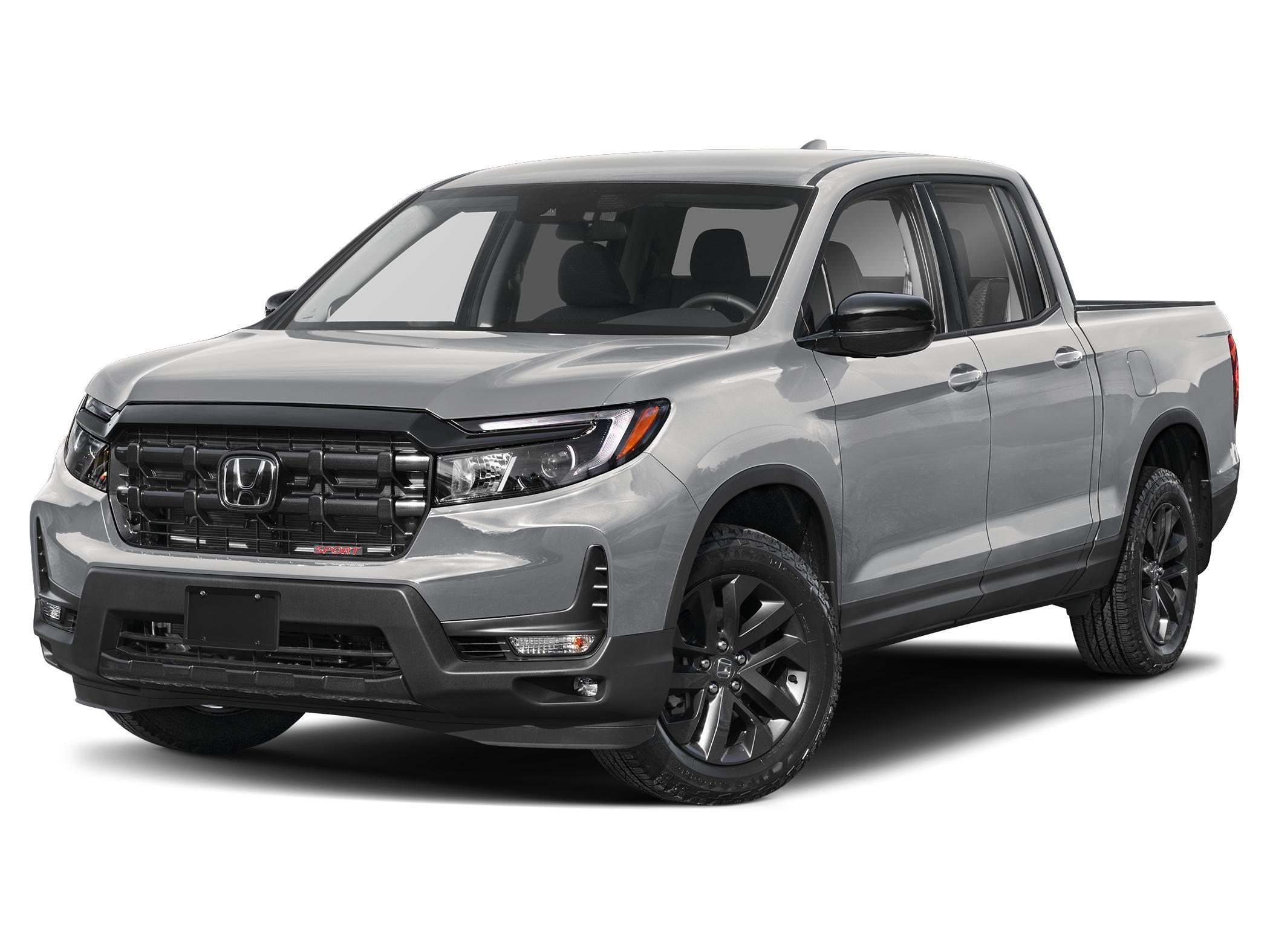
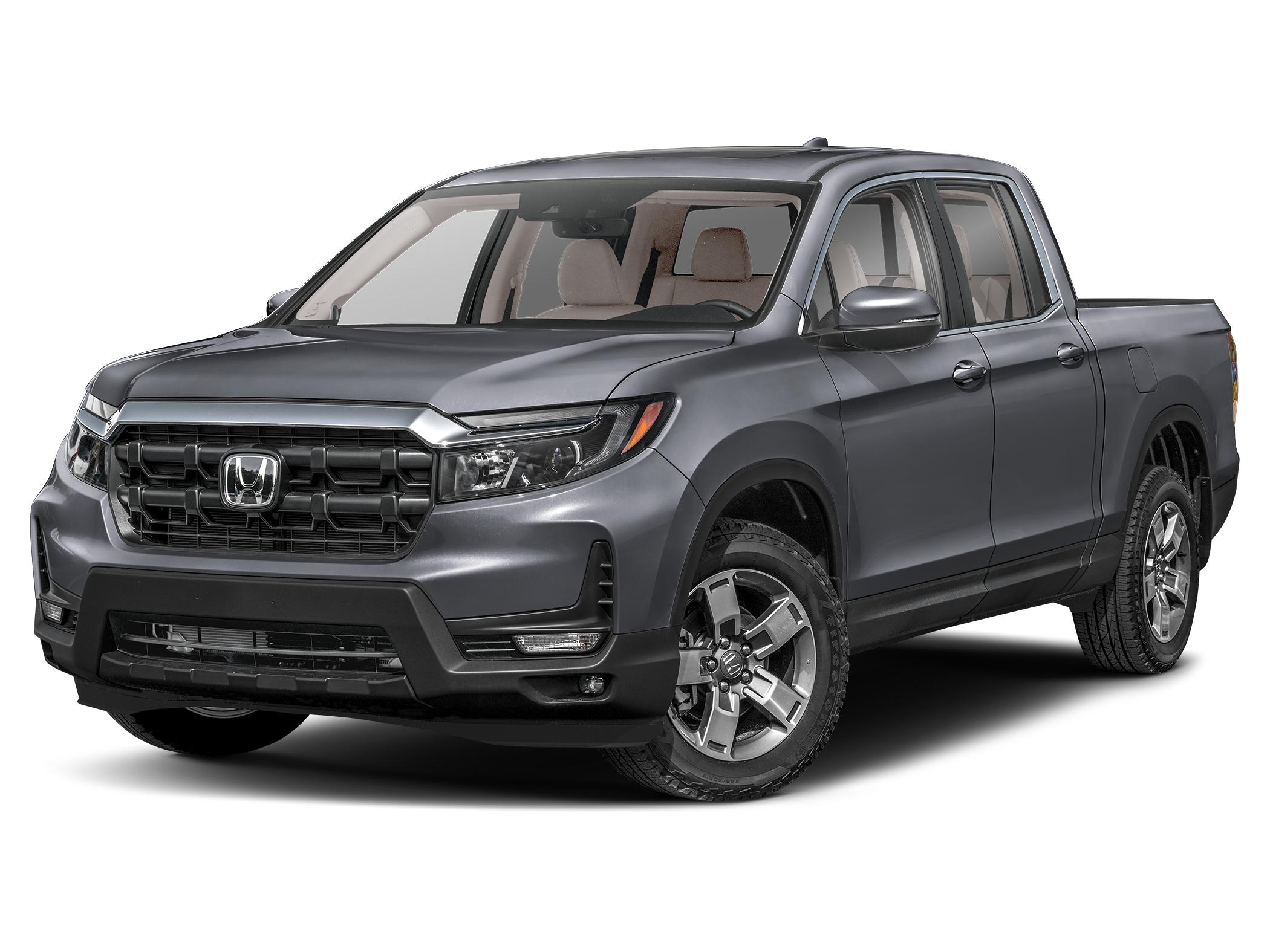
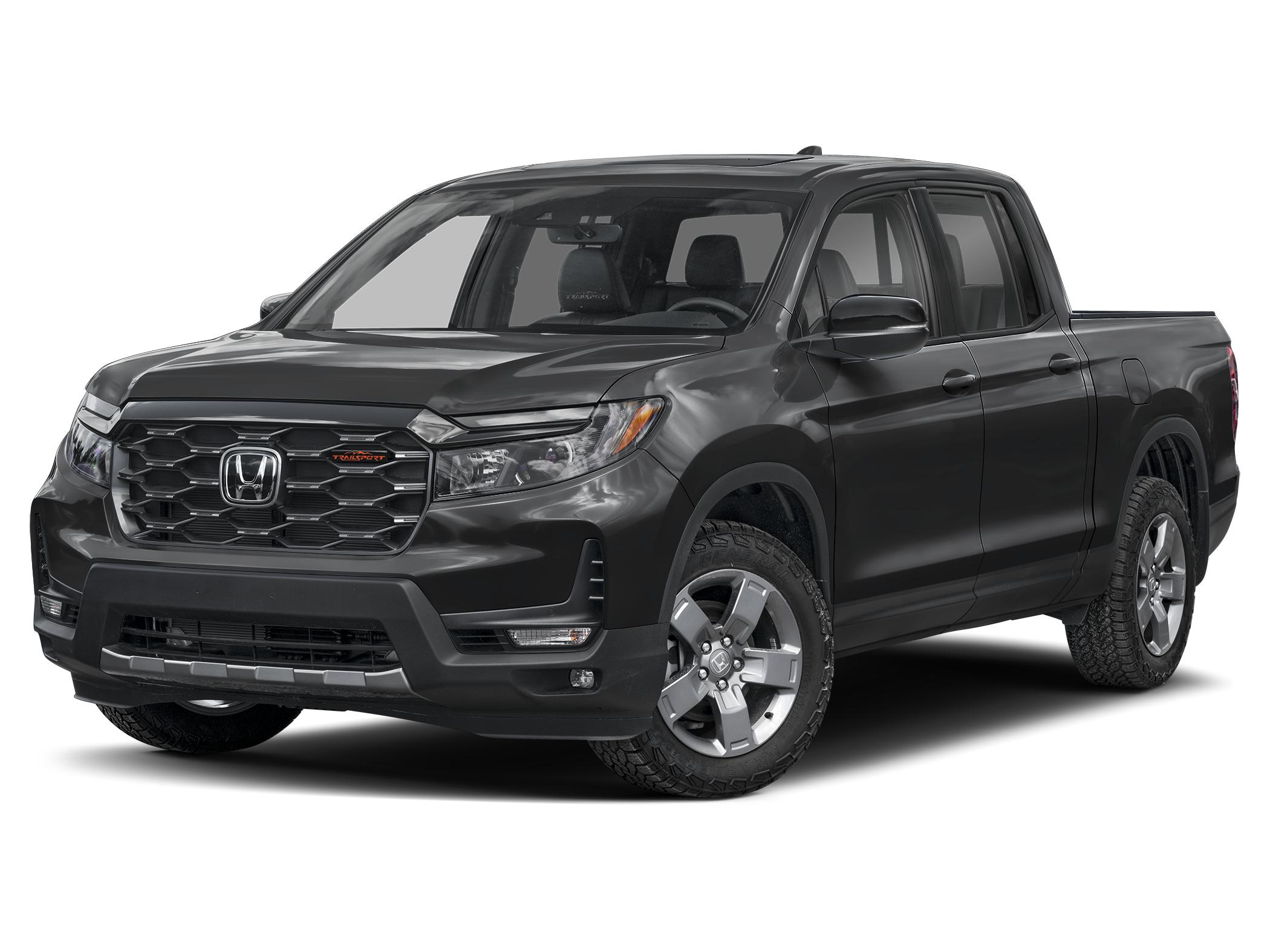
Available across the Ridgeline lineup

FAQ

Frequently asked questions

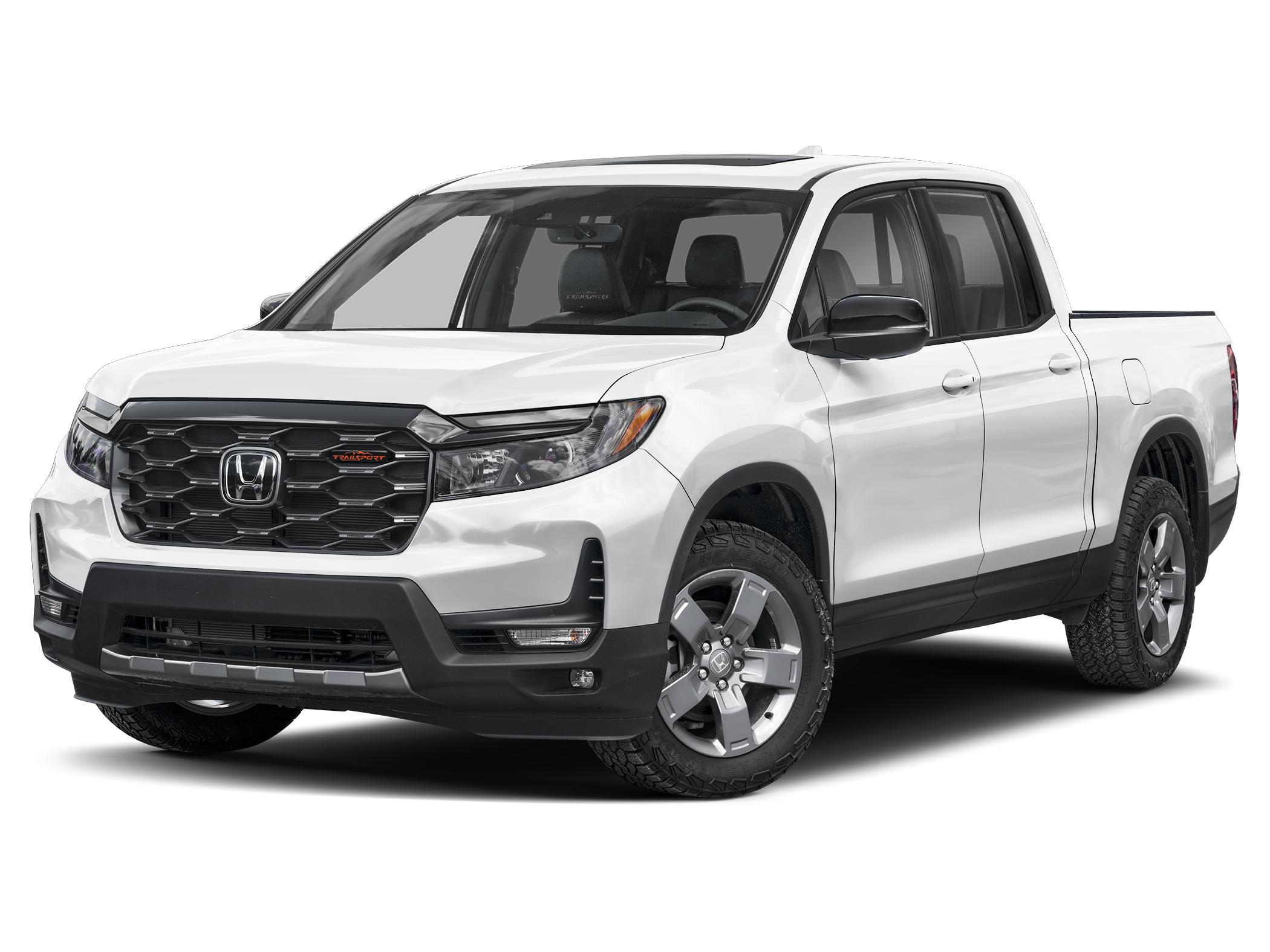
The RTL at $43,595 is the sweet spot for most buyers — it steps up meaningfully from the Sport's $40,795 entry price while stopping well short of the TrailSport and Black Edition territory, and it shares the same 21 MPG combined rating as the Sport.

Every Ridgeline in the lineup uses a 3.5-liter V-6 making 280 hp and 262 lb-ft of torque, paired with a 9-speed automatic and standard AWD — there are no rear-wheel-drive or four-cylinder options.

Both share the same 280 hp V-6, AWD, and 20 MPG combined rating, with the TrailSport+ priced $1,200 higher at $47,195 versus $45,995 — the specific feature additions that justify the premium aren't detailed in the available specs, so it's worth comparing equipment lists at the dealer.

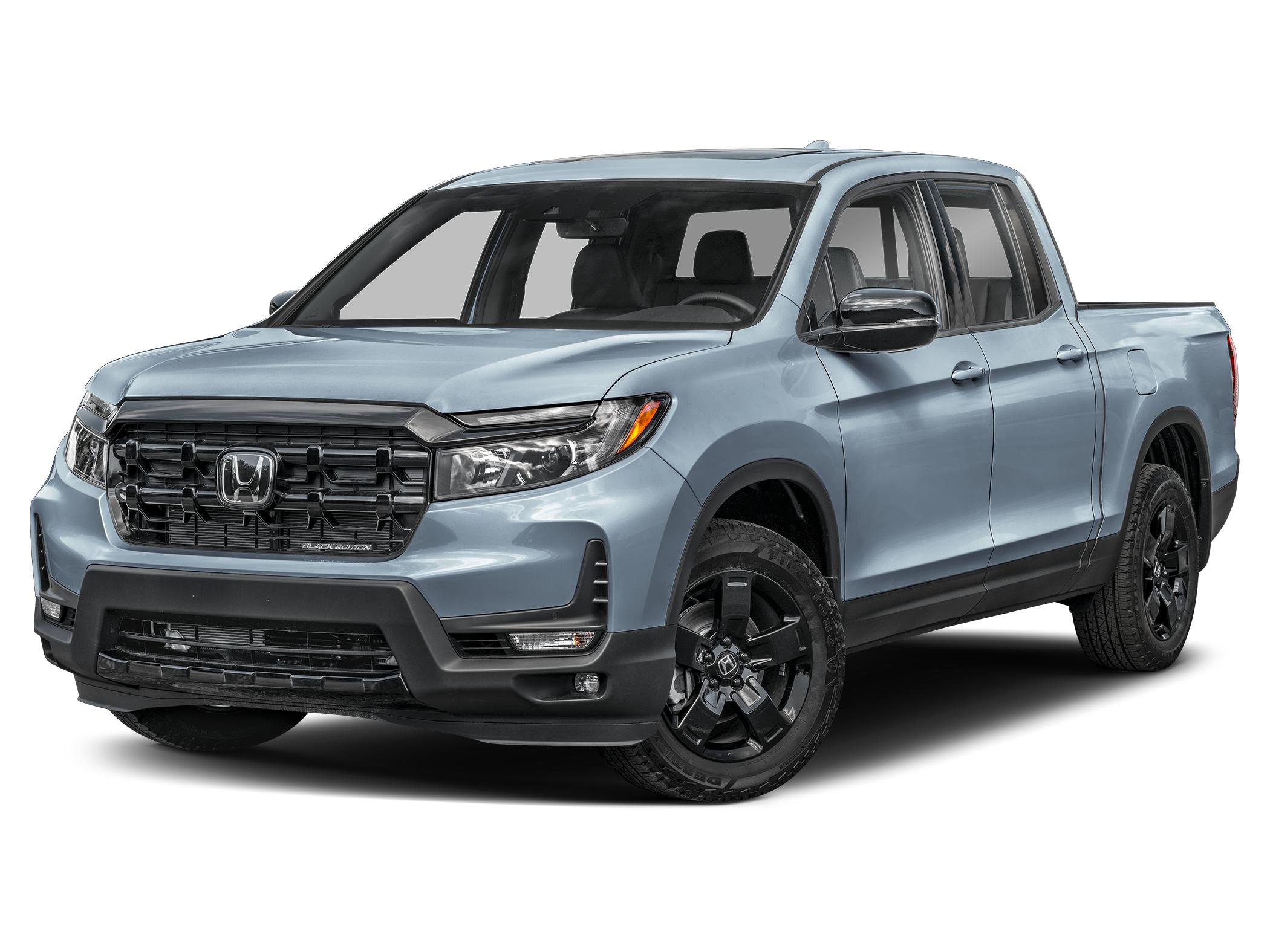
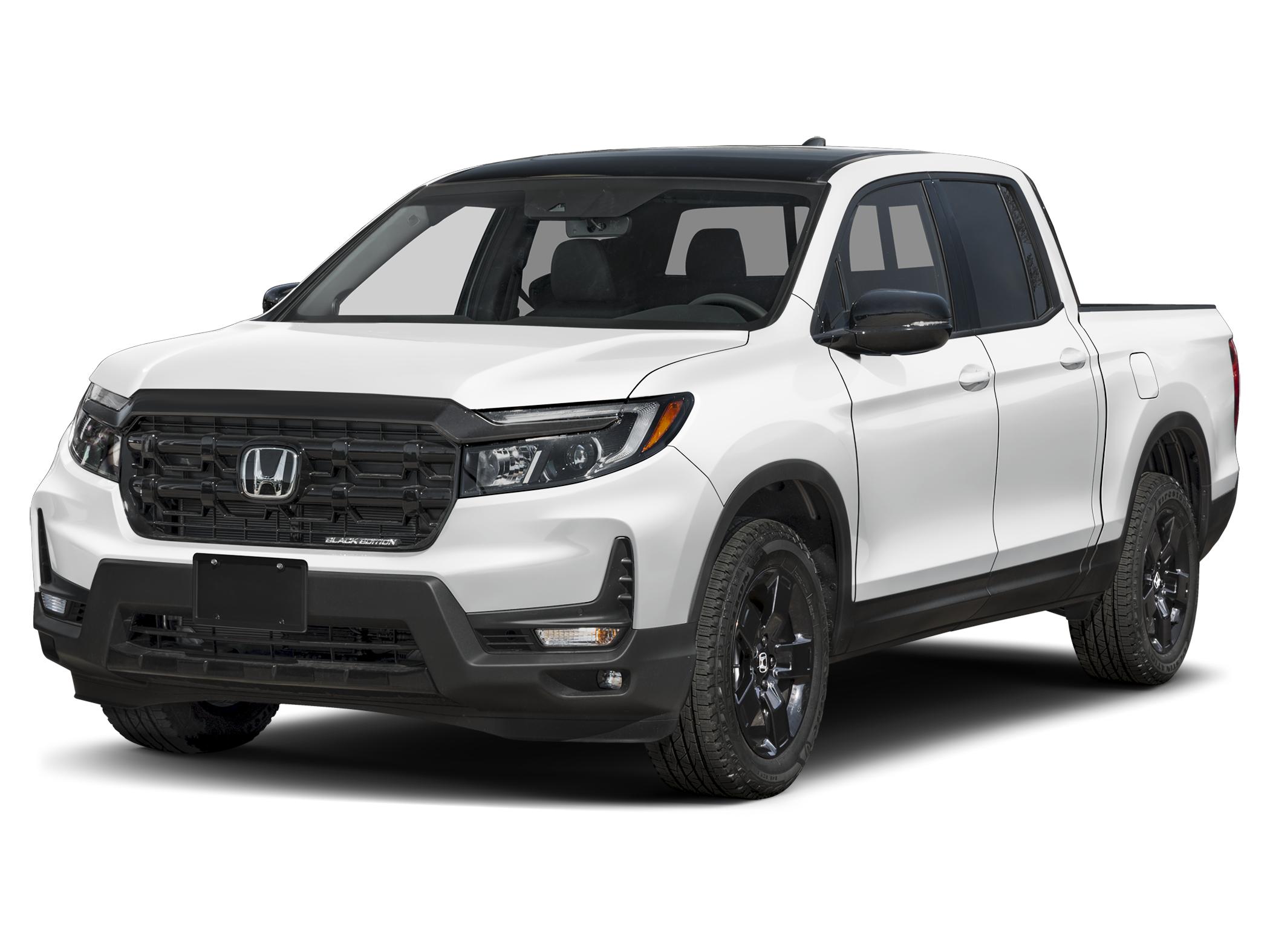
The Black Edition Two-Tone costs $500 more ($47,895 vs. $47,395) and, as the name suggests, adds a two-tone exterior treatment; both trims share identical powertrain specs and a 21 MPG combined rating.

Yes — the TrailSport and TrailSport+ both return 20 MPG combined and 23 MPG highway, while the Sport, RTL, Black Edition, and Black Edition Two-Tone all achieve 21 MPG combined and 24 MPG highway, likely due to different wheel and tire packages on the trail-oriented trims.

The available facts confirm 33.9 cubic feet of cargo volume across all trims, but a precise breakdown of in-bed trunk versus bed capacity specifically isn't available in the provided specs — the 33.9 cu ft figure reflects the Ridgeline's total cargo capacity.
Features View Inventory